

Root Canal Treatment
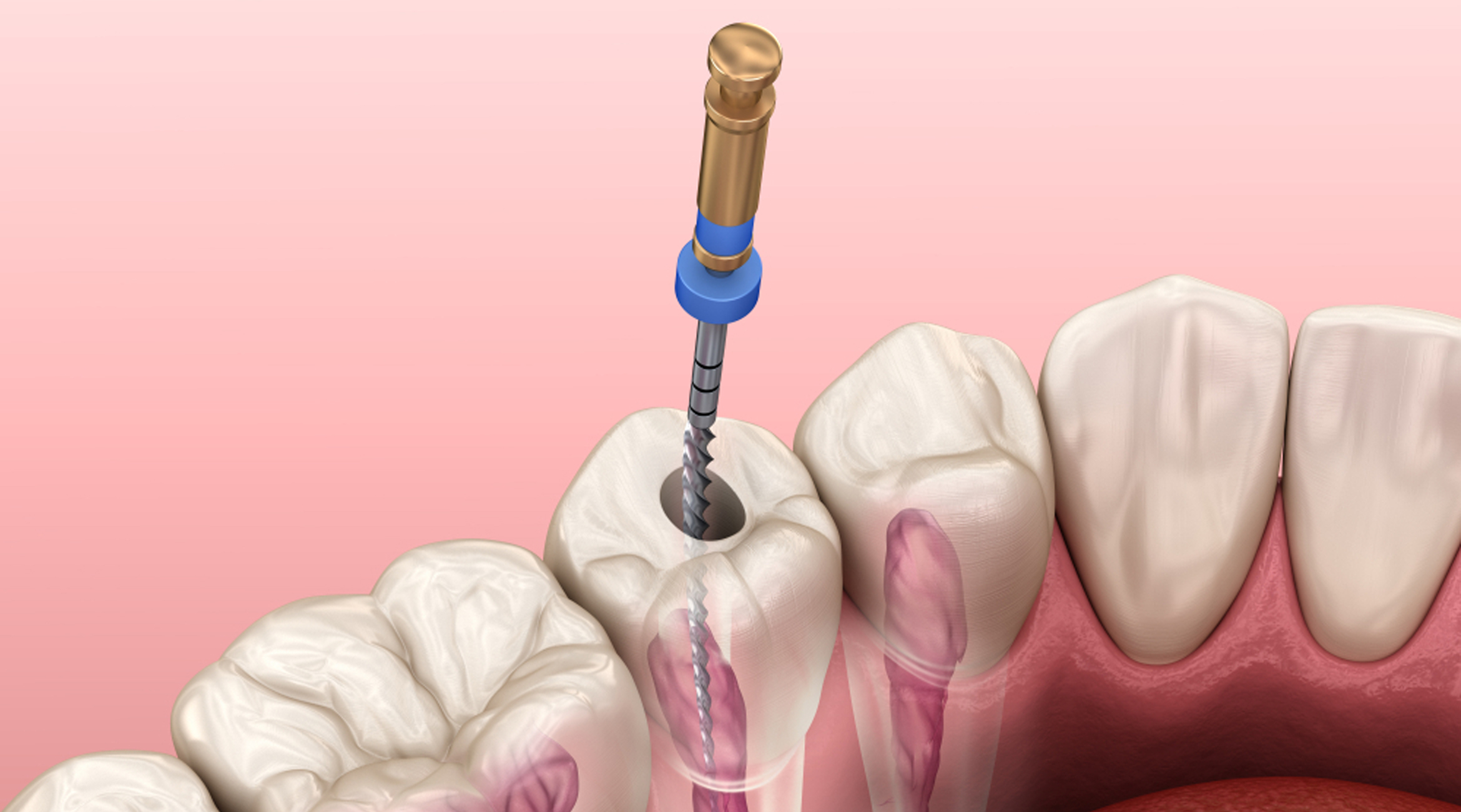
is a dental procedure used to treat an irreversible damage at the pulp of a tooth.
Root canal treatment is usually not painful if done at the right time and can save a tooth that might otherwise have to be extracted.
Root canal is needed in case:
– Advanced tooth decay
– Damage to teeth as a result of trauma or accident
How many canals does a tooth have?
– A single tooth can have more than 1 root canal, usually each root has at least one canal, in other words, it depends on the tooth and it’s roots.
When root canal treatment is needed?
A diagnosis of the need of a root canal treatment is only decided after your dentist takes an X-ray that shows the pulp damage.
The pulp will begin to die if it’s infected by bacteria, allowing the bacteria to then multiply and spread into the mouth, blood stream and might end up anywhere in the organism.
Symptoms of a pulp infection include:
– Pain to Cold or Hot
– Pain when biting or chewing
– A tooth starting to be loose
NOTE: As the infection progresses and the tooth is left untreated, these symptoms often disappear because the pulp dies.
Your tooth then appears to have healed, but the infection has in fact spread through the root canal system, which leads to infection and more complicated risks.
Steps of Root Canal Treatment:
– Local anesthetic given.
– Drilling away the infected structure of the tooth.
– Removing the infected pulp
– Searching for all the canals in the root
– Cleaning the canals by removing the infected nerve and sterilizing them
– Paste inserted to obturate the empty canals with the root canal actual treatment.
– At the end of the RCT, the tooth is restored through a filling or a fixed crown.
What to expect after root canal treatment?
After your final treatment, your restored tooth should no longer be painful, although it may feel sensitive for a few days or even weeks if the damage was big.
You can take over-the-counter painkillers, such as paracetamol or ibuprofen, to relieve any discomfort.
Return to your dentist if you still have pain or swelling after using painkillers.